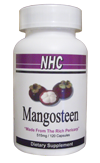
|
Manage
Depression Without Drugs
Depression,
also
referred to as clinical
depression is a state of low mood and
aversion to activity. It
is a serious medical condition that involves the
brain. Feeling sad or
depressed is a normal reaction to life’s
struggles and disappointments.
People generally use the term “depression”
to
describe these types of feelings, but depression
is
actually much more than just a feeling of being
"down” or "blue" for a
few days. For the 20 million people in the
United States who have depression,
the
feelings don’t simply go away. They persist in
day-to-day life and
interfere with a person's ability to work,
study, eat and sleep.
Depression
can be familial, suggesting that a biological
vulnerability to depression
can
be inherited. It usually begins between
the ages of 15 and 30,
and tends to be much more common in women. There
are several forms of depression
with
major depressive disorder and dysthymic disorder
being the most common.
Major depressive disorder, also called major depression,
recurrent depressive disorder, clinical depression,
unipolar depression,
or unipolar disorder, is characterized by low
mood that is usually
accompanied by low self-esteem, and by loss of
interest or pleasure in
enjoyable activities. An episode of major depression
may
occur only once in a person's lifetime, but in
majority of cases, it
recurs throughout a person's life. On the other
hand, dysthymic
disorder, also known as dysthymia, is
characterized by chronic but less
severe symptoms that may not disable a person
but can affect normal
functioning or feeling well.
Depression
Symptoms
Not
everyone who is depressed
experiences all the symptoms. Some person
experience just a few
symptoms while some may show many. Moreover, the
severity of symptoms
also varies widely among persons. In general, a
depressed person will
experience or manifest some of the following
symptoms: persistent
sadness, anxiety or feelings of emptiness,
helplessness and
hopelessness; loss of interest or pleasure in
activities you used to
enjoy; appetite or weight changes (a change of
more than 5% of body
weight in a month); difficulty
sleeping or oversleeping;
irritability or restlessness; feeling fatigued,
sluggish, and
physically drained; problems concentrating,
remembering details and
making decisions; persistent aches, pains or
digestive problems that
are not responding to treatment; social
isolation; crying spells; and
contemplating suicide or suicide attempt.
Depression
Treatment
Understanding
the underlying cause of depression may
help overcome the problem. In general,
the severe depressive disorders,
especially those that are recurrent,
will need antidepressant
medications along with electroconvulsive
therapy (ECT) and
psychotherapy for the best outcome.
Antidepressant medication does not
cure depression, they only help the
person feel better by controlling
certain symptoms. Among the most
commonly used medications include
selective serotonin reuptake inhibitors
(SSRIs), tricyclic
antidepressants (TCAs) and monoamine
oxidase inhibitors (MAOIs).
SSRIs
are often the
first-line of treatment for depression
because they have fewer side-effects than TCAs
and MAOIs. Unlike MAOIs,
the SSRIs don’t interact with tyramine in foods
and therefore don’t
necessitate the dietary restrictions of the
MAOIs. In addition, SSRIs
don’t cause orthostatic hypotension and cardiac
arrhythmias like the
TCAs do. SSRIs are generally well tolerated by
persons and the side
effects are usually mild. The most commonly
reported side effects are
agitation, diarrhea, headache, insomnia, and
nausea.
In ECT, an electric current passes through the
brain to generate
controlled convulsions. ECT is useful for
persons who cannot take or
have not responded favorably to antidepressants,
have severe depression or at
a high risk for suicide. As for psychotherapy,
it is used to help ease
the pain of depression,
and addresses the negative feelings that
accompany depression.
Psychotherapy features a number of approaches
that include
interpersonal, behavioral, cognitive,
psychodynamic and problem solving
therapy.
Mangosteen
Help
for Depression
There
is a multitude
of mangosteen
fruit benefits, many of which have been used
for decades in folk and
allopathic medicine. Recently, the medicinal
properties of mangosteen have
been extensively documented by laboratory,
medical and experimental
techniques. It has been shown that mangosteen has a
lot of promising medicinal benefits, including
depression.
Mangosteen
has been shown to help in the battle against all
forms of brain
disorders, allowing the neurons to grow and
neurotransmitters to
function properly. It also prevents damage in
brain cells, enabling the
mind to think better and provides a sense of
well-being. This is
actually the anti-depressant property of mangosteen.
In
fact, food scientists believe that mangosteen
has
mood enhancing ability. Moreover, taking daily mangosteen
supplements
enhances the absorption and function of
tryptophan, an essential amino
acid that must be obtained from the diet. What’s
so important about
this compound is the fact that it serves as a
precursor for serotonin
which is a neurotransmitter in the brain. The
functions of serotonin
are numerous, including the control of appetite,
sleep, mood, behavior
and depression.
The link between serotonin and depression
has
been firmly established for the past couple of
years. From several
studies, the most solid proof of this connection
is the decreased
levels of serotonin metabolites in the
cerebrospinal fluid (CSF) and
brain tissues of depressed individuals. If depression,
as
shown, is a consequence of decreased levels of
serotonin in the brain,
then mangosteen
is right on target to help people who have been
battling the horrors of depression.
Finally, studies also suggest that depression
is
related to certain
deficiencies in essential vitamins and minerals
such as folic acid
(vitamin B9), Vitamins B6 or B12 and Omega 3
fats. Mangosteen can
facilitate the absorption of these as it is
likewise known to improve
digestion.
Recommended
Products
Email
(Online Since
October 15, 2005.)
|