
Natural Home Cures Banner
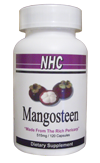
Buy Mangosteen Now Super Potent Formula, Fast Acting Mangosteen
1 Bottle Provides Beneficial Properties For Up to 2 Months

Just $30.00 ea. Plus S/H
TODAY'S SALE - Buy 2 Get 1 Free
Plus: Free S/H  (Limited Time Only)
Click Here - Invest In Your Health & Save Money Today

Natural Home Cures For Asthma

Asthma is an ancient Greek word meaning "panting or short drawn breath." It is the most troublesome of the respiratory diseases. The asthma patient gets frequent attacks of breathlessness in between which he is completely normal.

Symptoms
Patients suffering from asthma appear to be gasping for breath. Actually, they have more trouble exhaling than inhaling because the air passages of the small bronchi become clogged and constricted with mucus, thus making it difficult for the patient to breathe out. All asthmatics have more difficulty at night, especially during sleep.

The onset of asthma is either gradual or abrupt. Sudden onsets are often preceded by a spell of coughing which may be associated with itching of the chin, the back of the neck or chest. When the onset is gradual, the attack is usually brought on by respiratory infection. A severe attack causes an increase in heartbeat and respiratory rates and the patient feels restless and fatigued.

There may be coughing, tightness in the chest, profuse sweating, vomiting, abdominal pain, especially if coughing is severe. Foggy weather aggravates the symptoms.

An asthmatic attack begins when the bronchial tubes in the lungs become constricted. The tubes having become narrow, the inhaled air becomes trapped in the tiny air sacs at the end of the tubes, making the release of breath difficult. The wheezing sound identified with asthma is produced by the air being pushed through the narrowed bronchi.

Causes
By: Edwin A Bronsky, MD: Asthma symptoms were once thought to arise solely from spasms of the bronchial tubes (airways). But in the 1980s, experts began to recognize bronchial tube inflammation as the basic underlying problem. Inflammation is part of the immune system's response to injury or harmful foreign substances that enter the body. Inflammation is caused by the arrival of blood cells and other immune system sentries into the area involved. In people with allergies, this defense system reacts against normally benign substances like pollen from weeds and trees.

Is asthma an "allergic" condition? Not always, but certain allergens (any substance that can spur an allergic reaction) are common triggers of asthma symptoms. These include dust mites, cockroaches, molds and pollens.
 
With asthma, the allergen triggers an unwanted inflammatory reaction in the airways. Certain immune cells release chemicals called mediators that attack the allergen and, along the way, set off asthma symptoms.

During this defensive act, some damage and changes occur in the tissues of the bronchial tubes, which can cause them to become easily irritated, or "hyper-responsive." In this state, the lungs become excessively "twitchy" and may react (or overreact) to previously non-stimulating irritants, such as cold weather, pollution, dry air, and chemical odors.

This entire process is possibly reversible if caught early and addressed with preventive measures. If left untreated these changes in the lungs and airways can lead to long-term, irreversible damage. Numerous scientific studies have shown that avoidance of specific allergens will result in less severe asthma symptoms and less medicine.

Do Hormonal Cycles Affect Asthma?
Do we know why estrogen and progesterone may improve lung function?
Asthma is characterized by inflammation and narrowing of the airways. This inflammation may occur as a result of a hyper immunity. So the immune system might be overly revved up. Progesterone has been shown to suppress the immune system and so in that sense it's protective or helpful. It may reduce the increased inflammation that's occurring.

Additionally, both progesterone and estrogen have been found to reduce constriction of the airways and relax the bronchial smooth muscle in the airways. Progesterone is responsible for relaxing uterine smooth muscle—that's its natural function, and it's been found to impart these effects throughout the whole body—so it also works to relax the muscles in the airways.

Who may experience worsening asthma symptoms?
Premenstrual women may notice a worsening of asthma symptoms just before and during the menstrual cycle. This is the time when estrogen and progesterone are at their lowest levels and it's also the time at which they really drop. So certainly women could see if they notice a pattern in asthma related to the menstrual cycle. This could be something they could discuss with their doctor at that time.

Another time to look for changes would be as women move through and into the menopausal period because at this time estrogen, progesterone also rapidly decline.
 
What is the percentage of women with asthma who have worsening symptoms during their periods?
The majority of the data suggests about a third of the women, but the range is really about a third to a half of women who are specifically asked if they experience worsening of asthma.

Why is this relationship between lung function and hormones important?
Understanding that in a subset of women, asthma may worsen during times of low hormonal levels, we may be able to better predict who is at risk for more frequent asthma attacks, and when. In some women there may be treatment suggestions that could be made based on this information. I don't think at this time we could make any recommendations. But if women discuss these patterns with their doctor, they may find benefit from using oral contraceptives to smooth out the fluctuations in hormonal levels. And there may be therapeutic strategies that could be developed in the future, which takes advantage of this relationship.

Asthma and Pregnancy By: Qanta Ahmed, MD
As a doctor who specializes in asthma, it is not often that I see pregnant women in my office, but I do see them from time to time. While I worry about all my patients, pregnant woman have special needs that makes caring for them both challenging and gratifying. Remember, we are not just looking after you, but also your awaited baby.

You must go see your doctor when you are pregnant. This is probably the most important thing you can do for your new child. If you have asthma, your doctor visits become even more important.

Asthma's Changing Patterns: Pregnant women with asthma are not necessarily 'high risk' patients. In fact, asthma can follow a curious pattern in pregnant patients. One third of women experience no change in their asthma during pregnancy, one third actually notice an improvement when they are pregnant, and one third may experience a flare-up of their asthma during this time. Since there is no index to predict which way a patient will react, it is necessary to closely follow every pregnant asthma patient.

Most people are well aware of the myriad changes a body goes through during pregnancy - even the lungs go through interesting and intelligent alterations to adapt to the developing baby. In fact, one of the most confounding aspects of taking care of a pregnant patient is that it is normal for her to be short of breath. This makes it difficult to discern a 'normal' breathlessness from a problem that requires medication.

The Pregnant Body
A woman's body adjusts gradually as the pregnancy develops. Since a pregnant patient is carrying more weight, the lungs need to accommodate to the additional work of breathing caused by the weight gain. A pregnant woman breathes a little faster than normal, which is perfectly healthy. The body is raising what is called the minute ventilation (the amount of breathing you do in a minute).

As the belly grows, it alters the shape of the bottom part of the chest. The chest is separated from the belly by a swathe of muscle called the diaphragm, which is a vital muscle that helps you to breathe. As the belly gains in girth, it pushes upwards against the diaphragm, preventing deep breaths and consequently increasing the respiratory rate. To make the chest a little bigger, the ribs splay outwards like bucket handles, letting the patient breathe a little deeper.

Now the most important thing you can do for your baby is to avoid cigarette smoke. When you smoke, your baby suffocates - even inhaled second hand smoke can be very harmful. You need to keep cigarettes away from your developing child. A mother who smokes is more likely to give birth to a child with low birth weight and is more likely to have a child with respiratory disease, such as asthma. And if one of the parents, either mother or father, has asthma, the risk of having a child with this condition multiplies.

What if I need a cesarean section?
Many children today are delivered by c-section, for all sorts of reasons. A cesarean section should be thought of as any other operation. For you to do well, you need to be in the best shape possible. This includes controlling your asthma. There is a little rule that is taught to doctors in training - never send a wheezing patient to the operating room.

After the Child is Born
Remember, just because you have asthma does not mean that your baby will too - in fact, it's more likely that they will not. You should be able to use your usual medications now that the baby is born, but always check with your doctor. Not only is it safe for the baby to breast-feed, breast-feeding is also beneficial to your newborn baby's immune system. As your body recovers from the pregnancy and all the changes that happened in the lungs and chest normalize, your breathing will return to normal.

Asthma Treatment

The natural way to treat asthma consists of stimulating the functioning of slack excretory organs, adopting appropriate diet patterns to eliminate morbid mater and reconstruct the body, and practicing yogasanas, yogic kriyas and pranayamas to permit proper assimilation of food and to strengthen the lungs, digestive system and circulatory organs.
The patient should be given an enema to clean the colon and prevent auto-intoxication.

Mud-packs applied to the abdomen will relieve the fermentation caused by undigested food and will promote intestinal peristalsis. Wet packs should be applied to the chest to relieve the congestion of the lungs and strengthen them. 
The patient should be made to perspire through steam bath, hot foot bath, hot hip bath and sun bath. This will stimulate the skin and relieve congested lungs.

The patient should fast for a few days on lemon juice with honey and thereafter resort to a fruit juice diet to nourish the system and eliminate the toxins. Gradually, solid foods can be included.

The patient’s diet should contain a limited quantity of carbohydrates, fats and proteins which are acid-forming foods, and a liberal quantity of alkaline foods consisting of fresh fruits, green vegetables and germinated gram.

Foods which tend to produce phlegm such as rice, sugar, lentils and curds as also fried and other difficult to digest foods should be avoided. Breakfast may consist of prunes, orange or berries or a few black raisins with honey. Lunch and dinner should consist of a salad of raw vegetables such as cucumber, lettuce, tomato, carrot and beets, one or two lightly cooked green vegetables and wheat bread. The last meal should preferably be taken before sunset or at least two hours before going to bed.

Asthmatics should always eat less than their capacity. They should eat slowly, chewing their food properly. They should drink eight to 10 glasses of water a day, but should avoid taking water or any liquid with meals. Spices, chillies,
and pickles, too much tea and coffee should also be avoided.

Asthma, particularly when the attack is severe, tends to destroy the appetite. In such cases, do not force the patient to eat. They should be on a fast until the attack is over. A cup of warm water every two hours should be taken.  An enema taken at that time will be very beneficial.

Honey is considered highly beneficial in the treatment of asthma. It is said that if a jug of honey is held under the nose of an asthma patient and he inhales the air that comes into contact with the honey, he starts breathing easier and deeper. The effect lasts for about an hour or so. This is because honey contains a mixture of ‘higher’ alcohol's and ethereal oils and the vapors given of by them are soothing and beneficial to the asthma patient. Honey usually brings relief whether the air flowing over it is inhaled or whether it is eaten or taken either in milk or water. It thins out accumulated mucous and helps its elimination from the respiratory passages. It also tones up the pulmonary parenchyma and thereby prevents the production of mucous in future. Some authorities recommend one-year-old honey for respiratory disease.

Another effective remedy for asthma is garlic. The patient should be given daily garlic cloves boiled in thirty grams of milk as a cure for early stage of asthma. Steaming ginger tea with minced garlic cloves in it, can also help to keep the problem under control and should be taken in the morning and evening. Turmeric is also regarded as an effective remedy for bronchial asthma. The patient should be given a teaspoonful of turmeric powder with a glass of milk two or three times daily. It acts best when taken on an empty stomach.

During the attack, mustard oil mixed with little camphor should be massaged over the back of the chest. This will loosen up phlegm and ease breathing. The patient should also inhale steam from the boiling water with caraway seeds, known as ajwain in the vernacular. It will dilate the bronchial passage.

Air sun and water are great healing agents. Regular fasting once a week, an occasional enema, breathing exercises, fresh air, dry climate, light exercises and a correct posture go a long way in treating the disease.

Avoiding Asthma Triggers By Jodi Razgaitis
Potential Outdoor Asthma Triggers

Pollen: Avoid going outdoors before 10am when the pollen is at its highest during pollen season (which varies depending on where you live). If you exercise outside, try exercising later in the day. If you drive to work, roll up your car windows to avoid exposure. Staying indoors with the air conditioning on can also help alleviate symptoms. These measures also help reduce contact with outdoor molds, another asthma trigger.

Cold Weather: During the winter months, wear a scarf and breathe into the scarf so the cold air warms before entering your airways. Breathing through your nose instead of your mouth often helps.

Smoke: Avoid wood burning (bonfires), cigarette smoke, and fireplaces.

Pollution: Exhaust, smog and ozone are important environmental triggers. Stay indoors during smog alerts and avoid midday activities.

Potential Indoor Asthma Triggers
Mold: Mold can grow on almost anything when enough moisture is present, both outdoors and in the home. Scrub mold off surfaces and thoroughly dry the area to prevent moisture from building up. To prevent mold growth, lower humidity in the house to 30-50% relative humidity. Have air vents cleaned. Use a dehumidifier in the home and clean it every day.

Dust: Keep surfaces clear of dust using damp rags. Vacuum carpets, fabric-covered furniture and curtains. Those allergic to dust should not be in the room while vacuuming. Vacuums with high-efficiency filters are the best.

Dust Mites: The droppings of dust mites, bugs that cannot be seen by the naked eye, can trigger asthma. They feed on skin flakes and other proteins that live in mattresses, carpets and clothes.

Here are some tips for controlling dust mites:
Encase your mattress and box spring in a special airtight cover.
Encase your pillow or wash it once a week.
Avoid sleeping on upholstered furniture.
Remove carpets that are laid on concrete.
Wash your bedding once a week in hot water (130 degrees F).
Reduce indoor humidity to less than 50%.
Remove carpets from your bedroom.
Avoid using a vacuum, or use one with a special bag, wear a special mask, or use a central vacuuming system.

Pet Dander: Dead skin flakes, urine, saliva and hair of pets can trigger asthma. If a pet must stay in the home, it's best to keep pets out of the bedroom and restrict the pet to specific areas of the household, bathe your pet weekly and vacuum using a HEPA filter.

Cockroaches: Cockroaches are only a problem in certain cities and climates. Cockroach droppings and body parts can irritate asthma sufferers. Clean up spills immediately and take the garbage out regularly. Do not leave food out uncovered, store food in cabinets and counters in airtight containers. Remove empty boxes and newspapers. Use poison baits and traps instead of chemicals and sprays for pest control.

Chemicals: Avoid contact with perfumed products and chemical inhalants.

Recommended Products
Naturally occuring high-potency mangosteen xanthones.
EASE ASTHMA    Click here for the testimonials
Asthma is an inflammatory disease of the respiratory system. Mangosteen is an ideal alternative to undesirable asthma medication because of its ability to fight infection, inhibit inflammation, and reduce allergic triggers...naturally!
Invest In Your Health & Feel The Amazing Healing Power Of Mangosteen
Click A Link To Go Do A Different Page:
Consumer Alert | FAQs | Healing Secrets | Order Mangosteen | Pets | Science | Testimonials | Site Map

Suite 632
38-11 Ditmars Blvd
Astoria  New York  USA 11105
Tel: (718) 956-0807     Fax: (419) 793-5542
Email
(Online Since October 15, 2005.)